
Why Better Speakers Are Rarely the First Upgrade Your Car Needs
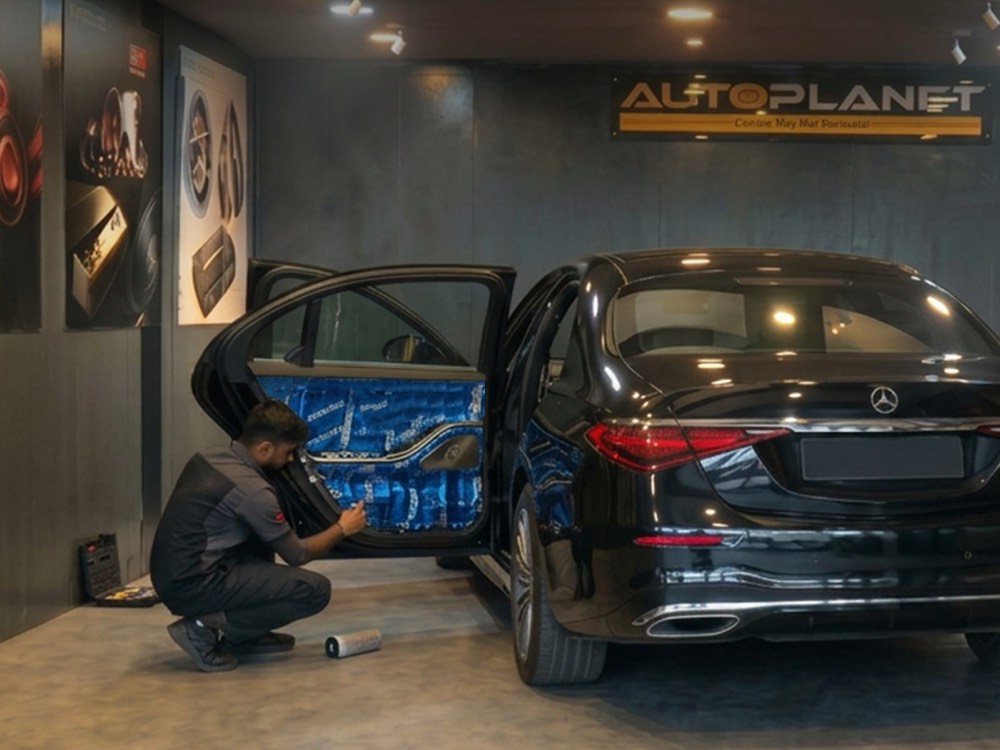
Most people upgrading a car stereo start with the speakers. It is the intuitive place to start, and it is usually the wrong one — because in a car, the speakers are rarely what is limiting you.
The door is the problem, not the driver
A car door is a large, thin steel panel with a hole cut in it. Bolt a speaker to it and every note drives the whole panel into vibration. That panel then radiates sound of its own, out of time with the music. What you hear is loose, indistinct midbass and detail that smears.
Fit a better speaker into that same door and you have raised the ceiling without touching the floor. The new driver is more capable, and it is still fighting the same resonating box.
What actually changes the result
In our experience at the studio, the order that produces the biggest audible gain per rupee is almost the reverse of what most people expect:
- Treat the doors. Damping the outer skin and the panel around the speaker aperture turns the door into a more stable baffle. This is usually the single most audible change, and it costs less than a speaker set.
- Add processing and calibration. Time alignment alone moves the stereo image from the near door to the centre of the windscreen. Nothing else produces so large a change for so little hardware.
- Then consider speakers. Once the environment is stable and the system is calibrated, better drivers finally get to show what they can do.
Why the usual advice runs backwards
Speakers are the part you can see, hold and compare on a spec sheet. Damping is hidden behind trim and processing is invisible. It is easier to sell a component than a process, so the component gets sold.
The honest answer is that results depend on your vehicle, the system design and the tuning target. But the sequence above holds for most cars we see, and it is why every build here starts with an inspection rather than a product list.
Frequently asked questions
Should I do sound damping before upgrading my speakers?
Ideally both in one visit, since the doors are already open. If you have to choose an order, damping first is the better sequence — it changes the acoustic environment, so a system tuned before damping needs retuning after.
Will damping alone make my stock system sound better?
Usually yes, to a point. Damping stops the door contributing sound of its own, which improves clarity even with factory speakers. How much you gain depends on your vehicle and its existing factory treatment.
Do I need a DSP if I am not changing my speakers?
Often it is the highest-value next step. A processor addresses unequal speaker distances, mounting angles and cabin resonances — problems no speaker choice can fix on its own.
Talk to us about your vehicle
Every quote follows a consultation, because scope depends on your car and what we find at inspection. Book a visit to the Koramangala studio.